


Object Details
Catalogue Note
Height: 43 cm | Weight: 6.2 kg | Material: bronze with surviving gilding | Estimated period: Late 18th century, approximately 1750–1800 | Origin: Northern Thailand / Lanna | Subject: Shakyamuni Buddha | Mudra: Bhumisparsha Mudra
A substantial seated Shakyamuni Buddha distinguished by an unusual openwork base decorated with an elephant frieze. The combination of the heavy casting, gilt surface and distinctive support makes this a particularly strong Lanna-style object.
Iconography
The Buddha sits in bhumisparsha mudra above the elephant-decorated base. Elephants carry associations of strength and royal authority in Southeast Asian Buddhist visual culture.
Attribution and condition
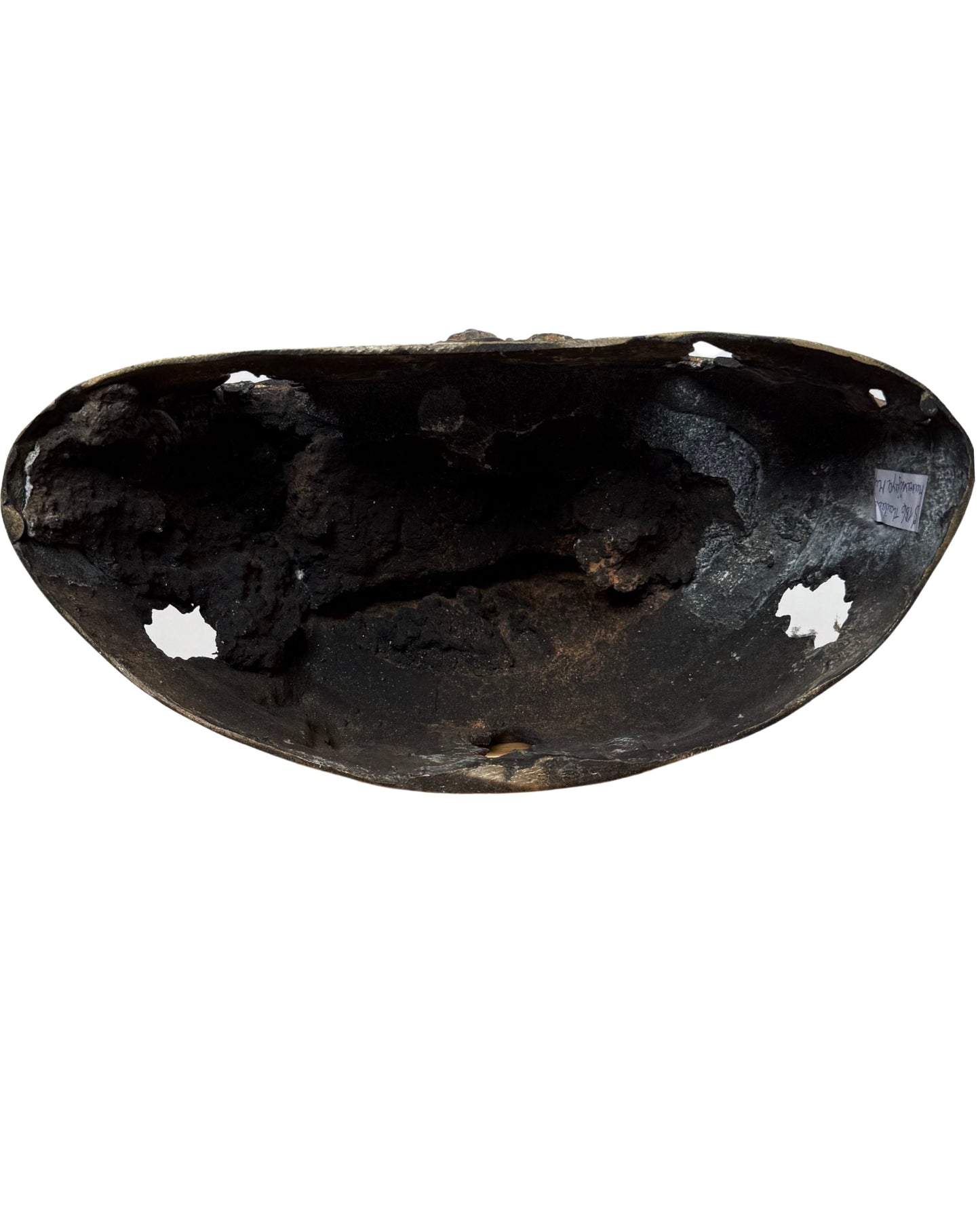
The sculpture is attributed to the late 18th century, approximately 1750–1800. Gilding, copper corrosion, mineral accretions and retained casting material survive, but these features are not individually treated as proof of date or mercury gilding.
Iconography and Context
Bhumisparsha Mudra is the earth-touching gesture associated with Shakyamuni calling the earth to witness his awakening. The lowered right hand turns the stable seated image into a direct reference to the moment of Enlightenment.
Condition and Display
Surviving gilding, darker recessed areas and wear on raised details create a layered surface. The 10 photographs document the remaining finish, patina, casting and base from multiple viewpoints.
